One-to-one online tuition can help a child catch up, keep up or move ahead. It works best when you know what you need it for, and when your child is set up to learn well at home.
Signs your child could benefit
- Marks have dropped in one subject, or homework in it takes much longer than it should.
- They say “I don’t get it” but can’t say which part.
- They’re quiet in class and rarely ask questions.
- They’ve changed school, board or country and some topics were never covered.
- They’re doing fine but want to be stretched, or a board exam is approaching.
One-to-one or a group class?
Group classes are good for practice and for children who enjoy learning alongside others. One-to-one classes are different in three ways:
- Pace. The lesson moves when your child is ready, not when the group is.
- Attention. The teacher sees every step of your child’s thinking and can correct a misunderstanding at the moment it happens.
- Confidence. Children who never ask questions in a class of thirty often ask plenty when it’s just them and a teacher.
Setting up for online lessons at home
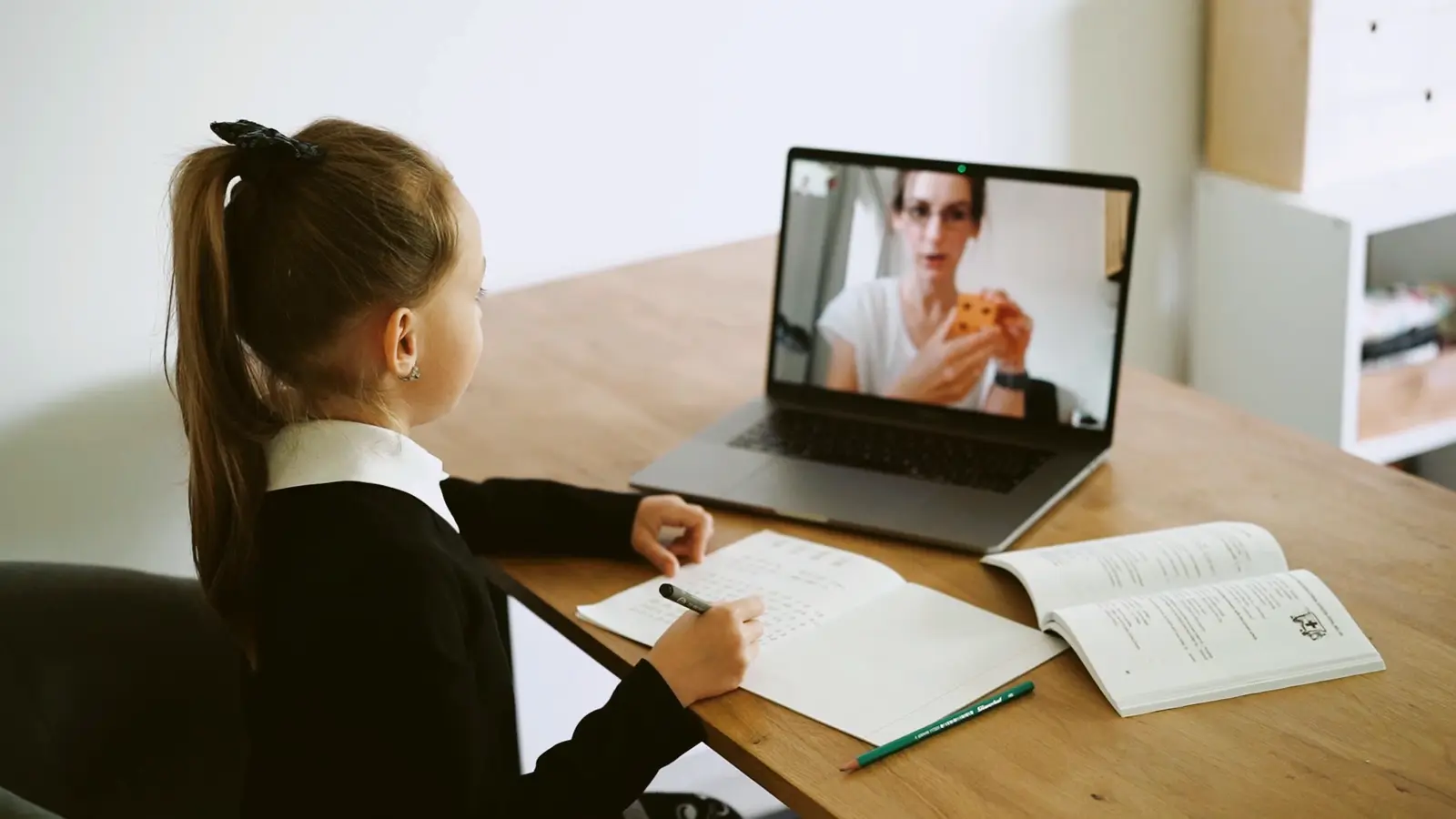
- A steady spot: a table, a chair and good light, away from the TV.
- The right device: a laptop or computer is easiest for sharing and writing; a tablet also works. Headphones help younger children focus.
- Their school books and a notebook within reach, so the teacher can work from the same material.
- A short check before class: charged device, working camera and microphone, notebook open.
Getting the most from it
- Tell the teacher what school is covering and when tests are coming.
- Share recent test papers so the teacher can see where marks are being lost.
- Keep the same time each week. Routine makes lessons feel normal, not extra.
- Ask your child to explain one thing they learned after each class. Teaching it back is one of the best ways to remember it.
What to expect
Improvement usually starts with confidence, then understanding, then marks. Give it a few weeks, keep talking to the teacher, and look for small signs: homework done faster, fewer “I don’t get it” moments, more questions asked.